EIT 2.0 UV LED Products
Founded in 1977 EIT 2.0 provide creative engineering solutions of UV radiometers and sensors for industrial curing applications.
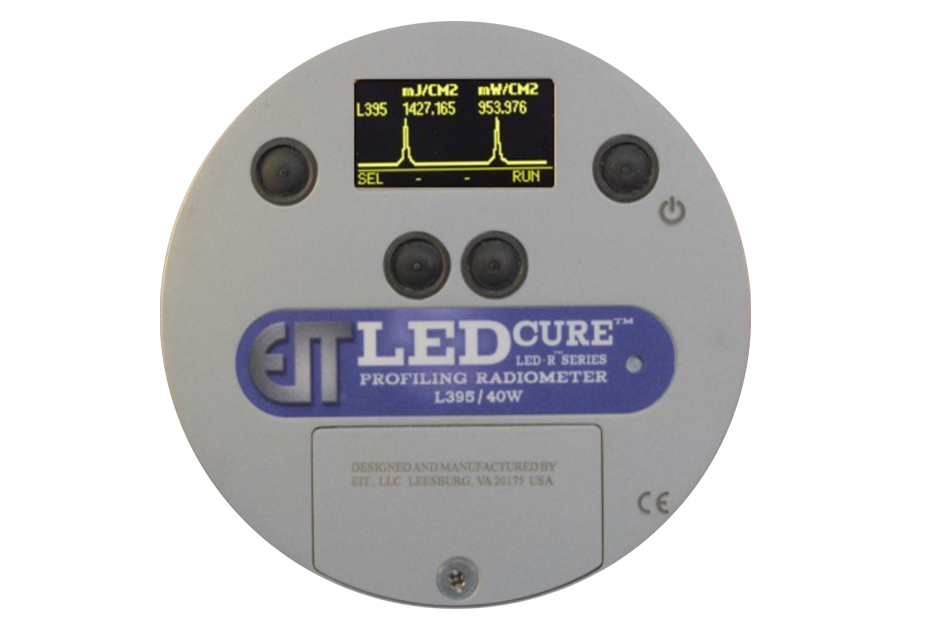
EIT 2.0™ LED Instruments are optimized for the narrow spectral output and high irradiance unique to UV LED sources. Using EIT 2.0's patented Total Measured Optic Response, with ALL optics included. EIT 2.0 LED instruments deliver superior unit-to-unit, run-to-run, and source-to-source repeatability.
Jenton are proud to be the registered UK and Ireland Distributor for EIT 2.0.
The UV & EB Technology Issue 2 2023, highlights the benefits of a profiling radiometer:
UV & EB Technology Issue 2 2023
Jenton UV Full Product Brochure
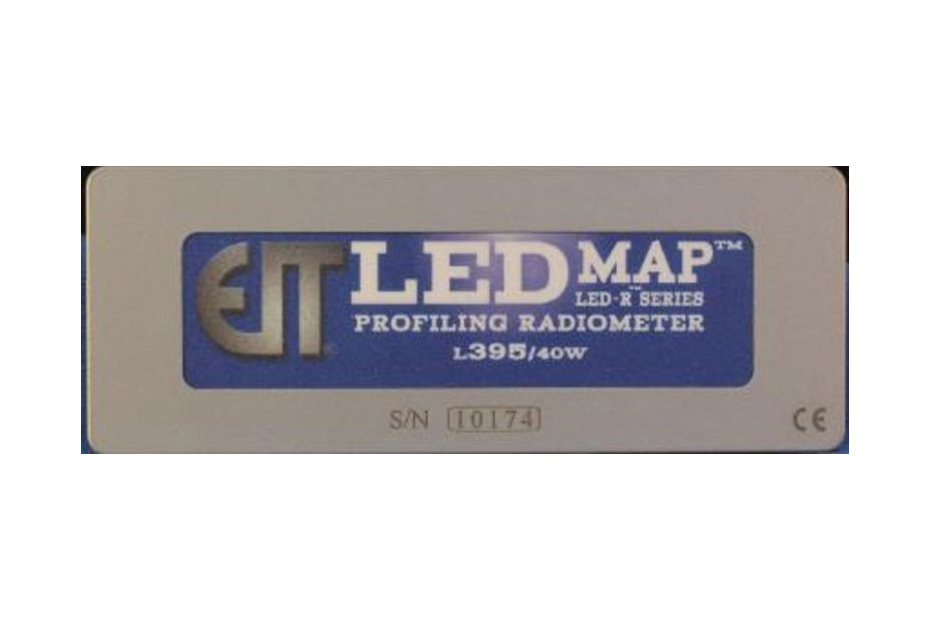
LEDMAP™
Single L-Band & Four Band Profiling Radiometer
The EIT 2.0 LEDMAP is designed to measure LED sources in high speed applications with EIT’s patented LED L-Bands. The EIT 2.0 PowerMAP II and LEDMAP are Profiling Radiometers that provides the irradiance (W/cm2 ), energy density (J/cm2 ), irradiance profile (Watts/cm2 as a function of time) and temperature profile (°C as a function of time).
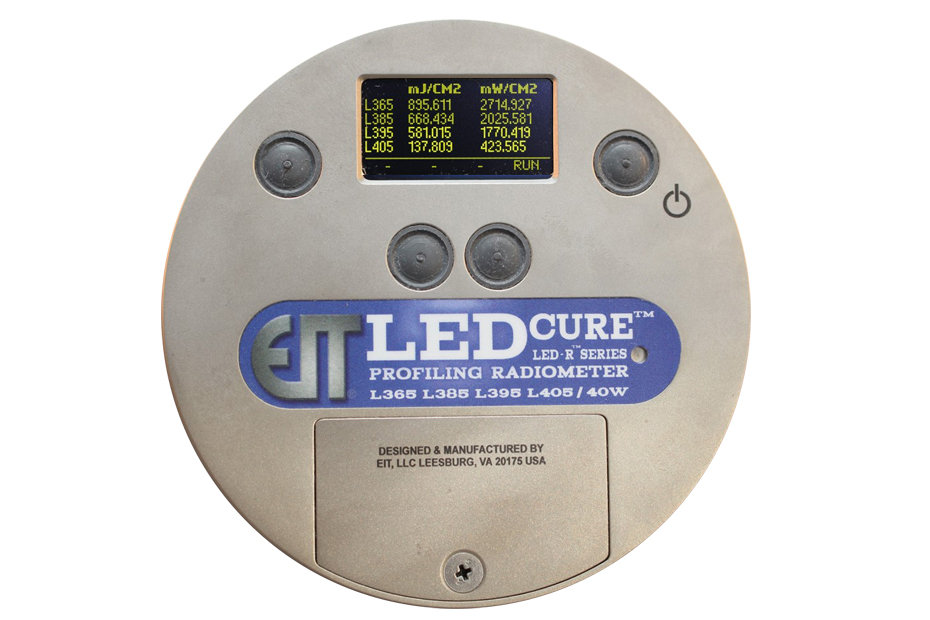
LEDCure® Four Band Profiler
Four Band Profiling Radiometer
One instrument: Two options
The LEDCure Profiler Four Band was developed for LED source manufacturers, formulators, R&D labs and field service technicians who routinely encounter different wavelength LEDs (365, 385, 395 & 405 nm) and want very accurate measurements in the band of interest
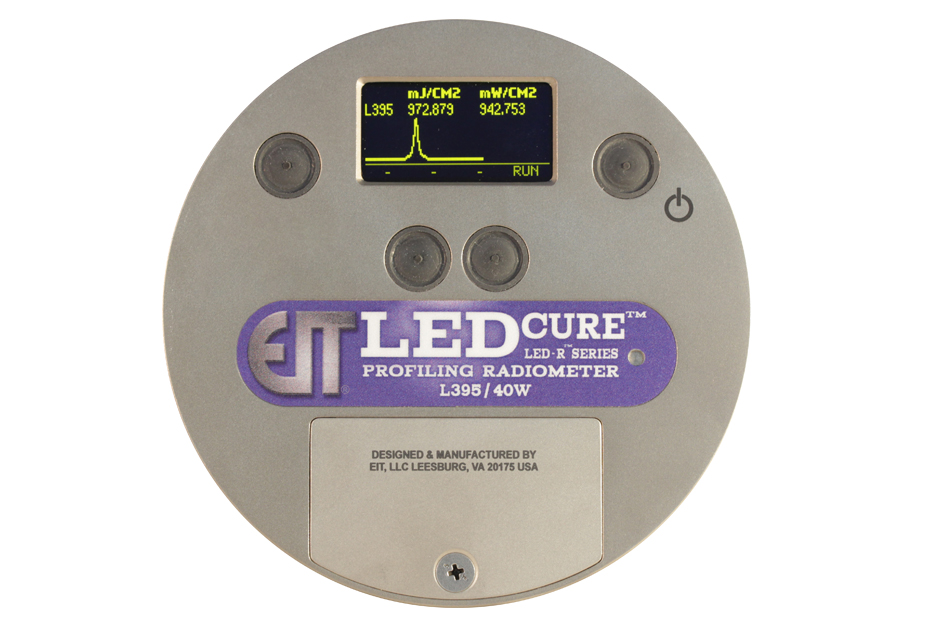
LEDCure® Profiler
Single L-band with Irradiance & Energy Density values displayed plus transfer of the Irradiance Profile to UV PowerView® III
Profiler versions of the LEDCure operate in the same manner as Standard units. The data collected can be viewed on the instrument display at user adjustable effective sample rates of 25, 128 or 2048 Hz (samples/second).
LEDCure®
Single L-Band & Four Band Display-Only
Highly portable and accurate radiometers designed specifically to measure the UV generated by industrial UV LED systems. EIT 2.0 LLC’s LEDCure® radiometers provide a patented Total Measured Optic Response. Everything in the instrument “optics stack” is included in the overall instrument response, not just the optical filter. The Total Measured Optic Response provides consistent, repeatable and accurate readings run to run, unit to unit and source to source.